The intricacies of the persistent discomfort patient must be acknowledged to accomplish these objectives. In the modern era, nevertheless, the problem of cost effectiveness need to likewise be thought about and we can not erect requirements for chronic pain treatment which are above and beyond the standards for patients with other types of problems.
All patients with chronic discomfort should be appropriately examined prior to treatment is carried out. Facilities that offer just one type of treatment or have limited access to experts in different disciplines should show proper patient selection prior to the initiation of therapy. Patients who participate in such a healthcare center must have been completely evaluated elsewhere prior to such a recommendation is made. In addition to the basic office waiting room chairs, a number of old collapsible chairs had actually likewise been generated (what medication in clinic abdominal pain). There were no magazines, no side tables, simply a dirty flooring lamp and some random medical leaflets inside a publication rack bolted to the wall. It was clear that everyone had actually run out of persistence, individuals were grumbling and seemed to be competing for an award for who had actually been waiting the longest.
We stood in line at the reception counter behind a guy demanding to know when two of his patients back there were going to be out. The receptionist had no response for him. who are the names of pa's and np's at sanford pain clinic. The receptionist did not even look at me or my associate, she just handed me a new client intake kind and informed me to have a seat.
I found that someone had currently pulled a couple lots patient charts and established a card table in the assessment room for us. The receptionist used us coffee and said the physician would be in to meet with us as quickly as she could. Right away, we observed the examination space was barren.
Get This Report about What To Expect When Getting Kicked Out One Pain Clinic Getting Referred To Another
We sat down and started to review the patient charts while we waited on the opportunity to interview our customer relating to patient care and practice policies. When the physician got here for her interview, she began with her background and education-- she had recently been hired to work locum tenens by the owner of the practice and had signed on for 6 months.
We asked why the charts offered little to no insight as to the clients' case history, conditions, or treatment strategies. She explained that most of the clients suffered from lower back or neck discomfort, and without insurance coverage, they couldn't manage expensive radiology and laboratory tests. She further described that, to make the situation even worse, the patients grumble loudly and threaten to never ever come Alcohol Rehab Facility back if there is any effort to "lower" discomfort medications.

Chart after chart, the patients were either on oxycodone 30 mg or hydrocodone 10/325 mg, together with a benzodiazepine. When asked if she knew that these medications, in mix, were possibly dangerous, she with confidence reminded me that pain was the fifth important indication and that a lot of chronic pain patients experience stress and anxiety.
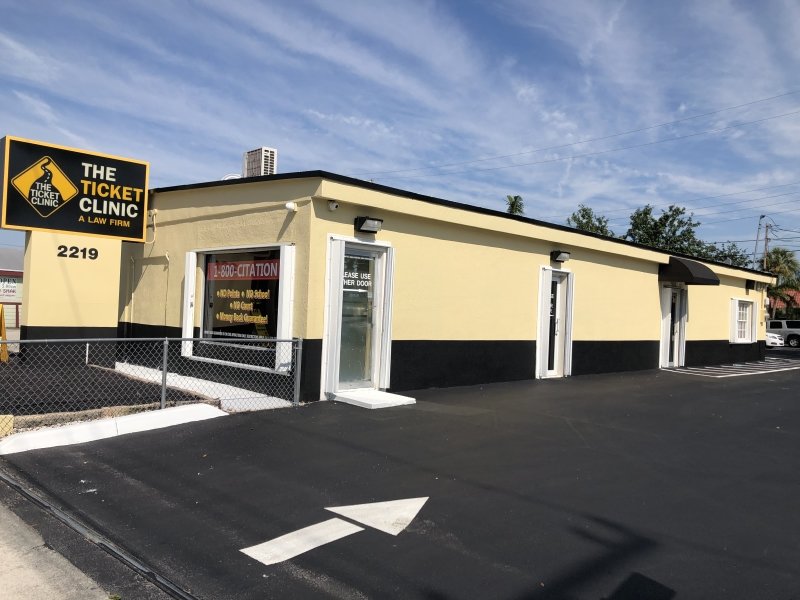
She stated she had brought some of her issues to the practice owner and that the owner had ensured her that a compliance program, consisting of urinalysis tests and prescription drug monitoring, was on the method. Regrettably, this circumstance is not fiction. Tipped off by the out-of-date view of pain management practices and absence of compliance, we understood that re-education and a compliance program would be the best prescription for this physician.
Everything about Where Is The Pain Clinic In Morristown
The phrase "tablet mill" has actually gotten into the typical medical lexicon as a symbol of the Florida discomfort clinics in the early 2000s where prescriptions for high strength opiates were distributed carelessly in exchange for cash. With a couple of extremely restricted exceptions, that does not exist any longer. DEA enforcement and extremely high sentences for drug dealing doctors have all however shut down what we picture when we hear the words "tablet mill." It has been changed by a string of prosecutions versus physicians who are practicing in an old-fashioned or negligent manner and are easily deceived by the modern drug dealers-- patient employers.
Studies of doctors who show negligent prescribing habits yield comparable outcomes. As an attorney dealing with the front lines of the "opioid epidemic," the issue is clear. Discovering a doctor who deliberately plans to criminally traffic in narcotics is an uncommon occurrence, but ought to be punished accordingly. Nevertheless, the bulk of physicians contributing to the opioid epidemic are overworked, under-trained physicians who might gain from increased education and training.
Federal district attorneys have actually recently received increased moneying to purchase more hammers-- a great deal of hammers. In March 2018, Congress authorized $27 billion in funding to combat the opioid epidemic. The largest line item in the 2018 budget was $15.6 billion in law enforcement funding. It is disappointing to see that essentially none of this additional funding will be invested in solving the genuine issue, which is doctor education (what happens at a pain management clinic).
Rather, regulators have concentrated on severe policies and statutes developed to limit recommending practices. Instead of using alternative enforcement mechanisms, regulators have mainly used two techniques to fight inappropriate prescribing: licensure revocation and prosecution. Re-education is not on the menu. Sustained by the 2016 CDC guidelines, nearly every state has actually provided opioid Drug and Alcohol Treatment Center recommending guidelines, and some have actually taken the extreme step of instituting recommending limitations.
The Definitive Guide to What To Expect At Pain Management Clinic
If a state trusts a physician with a medical license, it should also trust him or her to exercise great judgment and good faith in the course of treating genuine Alcohol Detox patients. Sadly, physicians are increasingly afraid to exercise their judgment as wave after wave of recommending guidelines, statutes, and rules make compliance progressively tough.
Ronald W. Chapman II, Esq., is a shareholder at Chapman Law Group, a multistate health care law firm. He is a defense lawyer focusing on health care scams and doctor over-prescribing cases in addition to associated OIG and DEA administrative procedures. He is a previous U.S. Marine Corps judge advocate and was previously deployed to Afghanistan in assistance of Operation Enduring Liberty.
A discomfort management professional is a physician with special training in examination, diagnosis, and treatment of all various kinds of discomfort. Discomfort is actually a wide spectrum of conditions consisting of severe pain, chronic pain and cancer pain and in some cases a mix of these. Pain can also occur for several reasons such as surgical treatment, injury, nerve damage, and metabolic issues such as diabetes.
As the field of medicine finds out more about the intricacies of discomfort, it has become more vital to have physicians with specialized knowledge and abilities to deal with these conditions. An extensive understanding of the physiology of pain, the ability to assess patients with complex pain problems, understanding of specialized tests for identifying painful conditions, suitable recommending of medications to varying pain problems, and skills to perform treatments (such as nerve blocks, back injections and other interventional strategies) are all part of what a pain management expert utilizes to deal with pain.